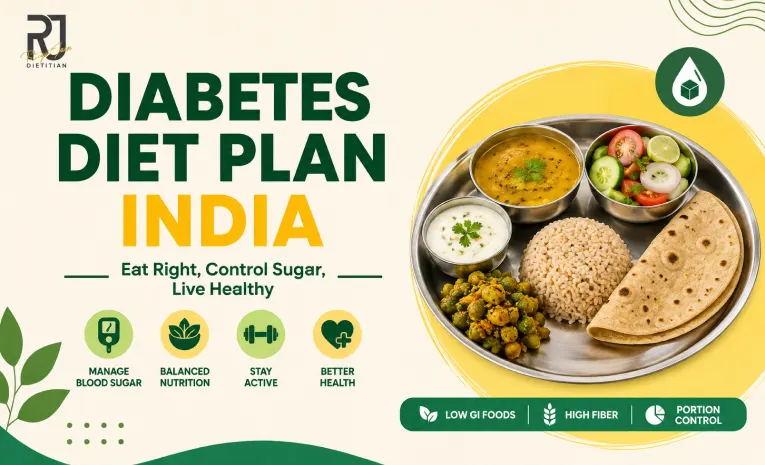

High blood sugar is becoming increasingly common due to unhealthy eating habits, lack of physical activity, stress, and poor sleep. While medicines play an important role for many people, those with prediabetes or mild blood sugar fluctuations can often improve their glucose levels naturally through healthy lifestyle changes. Following a structured 30-day plan can help improve insulin sensitivity, reduce sugar spikes after meals, and support overall metabolic health.
This detailed guide explains how to lower blood sugar naturally without medicine using simple diet changes, regular exercise, quality sleep, hydration, and stress management.
Why Blood Sugar Control is Important?
Keeping your blood sugar within a healthy range is essential for overall health and well-being. Stable blood sugar provides steady energy, supports proper organ function, and helps your body use insulin more effectively. It also lowers the risk of developing serious health complications such as heart disease, kidney damage, nerve problems, and vision loss. Maintaining healthy blood sugar through balanced eating, regular exercise, and a healthy lifestyle can improve your quality of life and support long-term wellness.
Can Blood Sugar Be Lowered Naturally?
Yes, blood sugar can often be improved naturally through healthy lifestyle changes such as eating a balanced diet, staying physically active, managing stress, getting enough sleep, and maintaining a healthy weight. While these habits can significantly improve blood sugar control, people with diabetes should continue following their healthcare provider’s advice regarding treatment and regular monitoring.
- Eat a balanced diet rich in fiber, lean protein, and whole grains.
- Reduce intake of sugary drinks, sweets, and refined carbohydrates.
- Exercise regularly to improve insulin sensitivity.
- Take a 10–15 minute walk after meals to help lower post-meal blood sugar.
- Drink plenty of water to stay hydrated.
- Get 7–8 hours of quality sleep every night.
- Practice stress management through yoga, meditation, or deep breathing.
- Maintain a healthy body weight.
- Control portion sizes to prevent overeating.
- Monitor blood sugar levels regularly if advised by your healthcare provider.
30-Day Roadmap to Lower Blood Sugar Naturally Without Medicine
Lowering blood sugar naturally is not about following a strict diet for a few days—it is about building healthy habits that improve insulin sensitivity, support better glucose control, and promote long-term health. This 30-day roadmap is divided into three simple phases, making it easier to adopt sustainable lifestyle changes without relying solely on medication.
Phase 1 (Days 1-10): Build a Strong Foundation
The first 10 days are all about improving your eating habits and reducing sudden blood sugar spikes. These simple lifestyle changes help improve glucose control and prepare your body for better insulin sensitivity in the coming weeks.
- Follow the Healthy Plate Method: Fill 50% of your plate with non-starchy vegetables, 25% with lean protein, and 25% with high-fiber complex carbohydrates to keep blood sugar levels stable.
- Eat Protein Before Carbohydrates: Start your meal with protein and healthy fats like dal, eggs, paneer, tofu, nuts, or seeds before eating rice or bread to reduce post-meal blood sugar spikes.
- Replace Sugary Drinks: Avoid soft drinks, packaged juices, sweet tea, and sugary coffee. Choose water, unsweetened green tea, herbal tea, or black coffee instead.
- Increase Fiber Intake: Add vegetables, whole grains, lentils, beans, oats, fruits, and seeds to your meals to slow glucose absorption and improve digestion.
- Stay Hydrated: Drink 2–3 liters of water daily to support healthy metabolism and overall blood sugar management.
- Limit Processed Foods: Reduce foods made with refined flour, added sugar, and unhealthy fats, and choose fresh, whole foods whenever possible.
- Practice Portion Control: Eat moderate portions, use a smaller plate, and avoid overeating to maintain steady blood sugar levels.
- Eat Meals on Time: Maintain a regular meal schedule and avoid skipping meals to prevent sudden fluctuations in blood glucose.
Phase 2 (Days 11-20): Improve Insulin Sensitivity
During the second phase, the focus shifts to improving insulin sensitivity through regular physical activity and smart food choices. These habits help your muscles use glucose more efficiently, reduce post-meal blood sugar spikes, and support better overall blood sugar control.
- Take a 10–15 Minute Walk After Meals: A brisk walk after lunch or dinner helps your muscles absorb more glucose, reducing blood sugar levels naturally.
- Include Blood Sugar-Friendly Foods: Add foods like cinnamon, overnight-soaked fenugreek (methi) seeds, nuts, seeds, leafy vegetables, and whole grains to support healthy glucose metabolism.
- Try Diluted Apple Cider Vinegar: Consuming 1–2 teaspoons of diluted apple cider vinegar before a carbohydrate-rich meal may help reduce the rise in blood sugar after eating. Avoid it if you have stomach issues or if your healthcare provider advises against it.
- Reduce Refined Carbohydrates: Limit foods such as white bread, white rice, cakes, cookies, and sugary snacks, and replace them with whole-grain alternatives.
- Increase Daily Physical Activity: Aim for at least 30 minutes of moderate exercise like brisk walking, cycling, or swimming on most days to improve insulin sensitivity.
- Choose Healthy Snacks: Replace processed snacks with nuts, seeds, roasted chickpeas, fresh fruits, or unsweetened yogurt to help maintain steady blood sugar levels between meals.
- Monitor Portion Sizes: Continue eating balanced portions and avoid overeating, even when consuming healthy foods, to prevent unnecessary glucose spikes.
- Stay Consistent with Healthy Habits: Continue following the healthy plate method, drinking enough water, and eating meals on time to strengthen the progress made during the first phase.
Phase 3 (Days 21-30): Build Long-Term Blood Sugar Stability
The final phase focuses on creating long-lasting habits that improve insulin sensitivity, reduce insulin resistance, and keep blood sugar levels stable over time. By combining regular exercise, quality sleep, stress management, and healthy eating, you can support better metabolic health beyond the initial 30 days.
- Start Strength Training: Perform resistance exercises such as squats, lunges, push-ups, resistance band workouts, or light weight training 2–3 times a week. Building muscle helps your body use glucose more efficiently and improves insulin sensitivity.
- Prioritize Quality Sleep: Aim for 7–8 hours of uninterrupted sleep every night. Good sleep helps regulate hormones, lowers cortisol levels, and supports better blood sugar control.
- Manage Stress Daily: Practice meditation, yoga, deep breathing, or mindfulness for 10–20 minutes each day. Reducing stress helps lower cortisol, which can otherwise increase blood glucose levels.
- Maintain a Healthy Weight: If you are overweight, gradual and sustainable weight loss can improve insulin resistance and make it easier to manage blood sugar naturally.
- Continue Eating Balanced Meals: Keep following the healthy plate method, include fiber-rich foods, lean protein, and healthy fats, and limit refined carbohydrates and added sugars.
- Stay Physically Active: Along with strength training, aim for at least 30 minutes of moderate exercise most days and continue taking 10–15 minute walks after meals.
- Monitor Your Progress: Track your blood sugar levels (if recommended), body weight, physical activity, and eating habits to stay motivated and identify areas for improvement.
- Make Healthy Habits Permanent: Continue these lifestyle changes beyond the 30-day roadmap to achieve long-term blood sugar management, improve overall health, and reduce the risk of future metabolic complications.
Foods That Help Lower Blood Sugar Naturally
Eating the right foods plays an important role in maintaining healthy blood sugar levels and improving insulin sensitivity. Foods rich in fiber, lean protein, healthy fats, and essential nutrients help slow glucose absorption and keep you feeling full for longer. Including these foods regularly as part of a balanced diet can support natural blood sugar management and overall health. Remember, no single food can lower blood sugar on its own, it is your overall eating pattern that makes the biggest difference.
Foods to Limit
Limiting foods that are high in added sugars, refined carbohydrates, and unhealthy fats can help prevent sudden blood sugar spikes and improve overall glucose control.
- Sugary drinks such as soft drinks, sweetened fruit juices, and energy drinks.
- Sweets and desserts including candies, chocolates, cakes, pastries, cookies, and ice cream.
- Refined grains like white bread, white rice (in large portions), refined flour products, and regular pasta.
- Sugary breakfast cereals and flavored instant oatmeal with added sugar.
- Processed snacks such as chips, crackers, packaged namkeen, and fried foods.
- Fast foods including burgers, pizzas, fries, and other highly processed meals.
- Sweetened dairy products like flavored yogurt, sweetened milk drinks, and milkshakes.
- Processed meats such as sausages and salami, which are often high in sodium and unhealthy fats.
- Foods with trans fats like packaged baked goods and commercially fried foods.
- Excess alcohol and sugar-sweetened beverages, which may make blood sugar management more difficult.
Sample Daily Routine
Following a consistent daily routine can help maintain stable blood sugar levels and improve insulin sensitivity throughout the day. Combining balanced meals, regular physical activity, proper hydration, and adequate sleep supports better blood sugar management and overall health.
| Time | Recommended Activity |
| 6:30–7:00 AM | Wake up and drink a glass of water to stay hydrated. |
| 7:30 AM | Eat a protein-rich, high-fiber breakfast with whole grains and healthy fats. |
| 10:00 AM | Have a healthy snack such as nuts, seeds, or a fresh fruit. |
| 1:00 PM | Eat a balanced lunch using the Healthy Plate Method. |
| 1:30 PM | Take a 10–15 minute brisk walk after lunch. |
| 4:00 PM | Choose a healthy evening snack like roasted chickpeas, yogurt, or sprouts. |
| 6:00 PM | Perform 30 minutes of exercise such as walking, cycling, yoga, or strength training. |
| 7:30 PM | Eat a light, balanced dinner with vegetables, lean protein, and whole grains. |
| 8:00 PM | Take another 10–15 minute walk after dinner if possible. |
| 9:30 PM | Practice meditation, deep breathing, or relaxation and avoid screen time before bed. |
| 10:00–10:30 PM | Go to bed and aim for 7–8 hours of quality sleep. |
How to Lower Blood Sugar Naturally Without Medicine FAQs
- Can I lower blood sugar naturally without medicine?
Yes, healthy eating, regular exercise, good sleep, and stress management can help improve blood sugar levels naturally.
- What foods help lower blood sugar naturally?
Leafy vegetables, whole grains, legumes, nuts, seeds, oats, and high-fiber foods support healthy blood sugar control.
- Does walking lower blood sugar?
Yes, a 10–15 minute walk after meals helps reduce post-meal blood sugar spikes.
- How much water should I drink daily?
Most adults should drink around 2–3 liters of water daily, depending on their individual needs.
- Can stress increase blood sugar?
Yes, chronic stress raises cortisol levels, which can increase blood sugar.
- How long does it take to lower blood sugar naturally?
Many people notice improvements within 2–4 weeks of following healthy lifestyle habits consistently.